
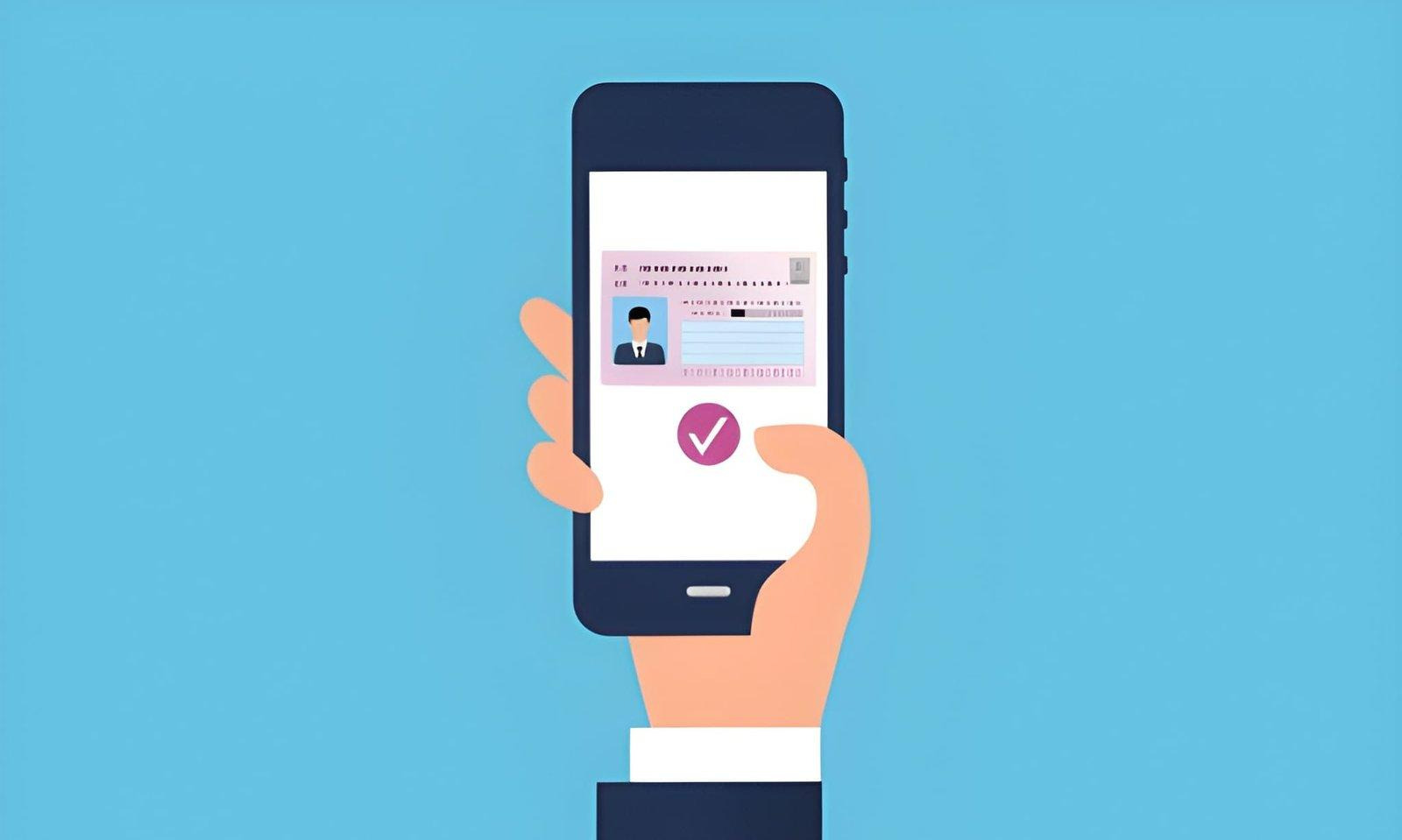
Opening a bank account involves paperwork, identity proofs, and the occasional branch visit. Opening a demat account, meanwhile, can begin with your phone camera.
Aadhaar details, PAN information, and a selfie now form part of the digital onboarding experience offered by various financial service providers. For people curious about the stock market but reluctant to deal with lengthy formalities, the change is noticeable.
The process isn’t identical for everyone, and verification requirements still apply. But the days when investing had to start with a physical office visit are increasingly behind us.
What Makes Demat Account Opening Online So Convenient?
The most obvious difference is where the application takes place. You don’t necessarily need to find a branch, collect physical forms, or organise your day around an appointment. You can open demat account online , provided you meet the applicable requirements.
The process is straightforward. You enter your personal details, provide your PAN and complete the required KYC checks. Depending on the platform, Aadhaar-based verification and a selfie may be part of the application. Once you’ve submitted everything, the information is reviewed before your account is activated. If any details need clarification, you may have to complete an additional step.
The difference is that you can now handle most of this from your phone, without arranging a visit to a branch.
What Happens After You Submit Your Demat Account Application?
Submitting the form is only one part of the process. Your application still needs to pass verification before the account becomes active. This stage is usually handled digitally, but the time involved can vary depending on whether your details are complete and match the records provided.
You may be asked to review your information, upload supporting documents, or complete an additional verification step if something needs clarification. Small errors, such as an incorrect PAN detail or a mismatch in personal information, can delay activation.
It is worth checking every detail before submitting the application. A few extra minutes spent reviewing the form can help you avoid unnecessary back-and-forth later.
Why Is the Selfie Part of Opening a Demat Account?
A selfie seems out of place when you’re dealing with investments. People usually associate it with social media, not financial documentation. Yet digital account-opening processes may include a live photograph or video-based verification step. The purpose is to establish the applicant’s identity, not just add a picture to the profile.
The instructions depend on the provider. Some may ask you to complete a particular verification process, while others use different methods. Applicants should use official channels and avoid sharing OTPs or sensitive documents with people claiming they can complete the process on their behalf.
The Real Change Is in Who Can Get Started
You no longer need to be a seasoned investor to consider opening a demat account. A salaried professional, a student who meets the eligibility requirements, or someone exploring investments for the first time can begin by researching available platforms.
That doesn’t mean everyone should rush to open an account. It means the initial administrative barrier is less intimidating than it used to be. The distinction matters because opening an account and investing successfully are two entirely different activities. One involves completing an application. The other involves understanding financial products, assessing risk, and deciding where your money belongs. The first can be relatively quick. The second takes learning.
What Happens Once the Account Is Active?
After you open and activate the account, the focus shifts to using the provider’s services. An online trading app may allow you to place orders, view holdings, track transactions, and access market-related information. The features offered depend on the platform and account type.
Access through a smartphone can make it easier to track your investments. It also keeps market information and trading options within reach. That convenience needs some discipline. A share appearing in your app doesn’t make it a suitable investment, and a price movement isn’t automatically a reason to buy or sell. Before using the trading features, understand the products available and the charges associated with transactions.
What Can Delay Your Online Application?
Digital doesn’t mean error-proof. A few common issues can interrupt the process.
Incomplete Information
Missing details or inconsistencies between submitted records may require corrections. Reviewing the application before submission can help avoid unnecessary back-and-forth.
Verification Issues
OTP problems, technical difficulties or additional KYC requirements can affect how long activation takes. The provider’s process determines what happens next.
Unclear Charges
An account may be easy to open but carry maintenance, brokerage, or other applicable fees. Check the pricing information before you begin trading.
These aren’t reasons to avoid digital onboarding. They’re details worth understanding before you submit your application.
What Should You Check Before Signing Up?
Registration speed is only one part of the decision. Look at the account’s overall offering.
- Fees: Review account maintenance, brokerage, and other applicable charges.
- Services: Check which investment products and trading facilities are available.
- Security: Understand how they handle identity verification and protect your account.
- Support: Find out how to raise an issue if your application or transaction encounters a problem.
- Eligibility: Read the requirements relevant to your account type.
You don’t need to become an expert in every financial service before applying. You should, however, know what you’re signing up for.
Opening an Account Is Just the Beginning
Digital account opening has made the initial paperwork behind investing more convenient. With electronic documents, online KYC, and remote verification, much of the process can now be completed from your phone instead of requiring a branch visit. Once your account is active, however, there are other details worth examining, including account charges, available features, and the types of investments you plan to explore. Understanding these aspects before placing your first trade can help you approach investing with greater preparation. Before proceeding, review the account-opening requirements through the link shared earlier and make sure you understand the process and associated costs.
